
Awaab’s Law was introduced into UK legislation in October 2025 as a measure to ensure that social housing landlords deal with issues of damp and mould, and react to emergency repairs and non-emergency/significant repairs, within a strict timeframe. This is the result of a campaign to learn from the tragic death of two-year-old Awaab Ishak, who died in his parent’s home in Rochdale in 2020 after prolonged exposure to damp and mould. The disrepair issue was never adequately dealt with and this new legislation is a measure intended to force social housing landlords into action where it is deemed necessary.
The introduction of Awaab’s Law has been managed so that the issue of damp and mould will be addressed first, but the scope of the legislation will be expanded in the coming years. Awaab’s Law has been integrated into the Private Rented Sector via the Renters Rights Bill, however, in 2026 the law only applies to social housing landlords and not private landlords, although this will be introduced and the law will, eventually, apply to private landlords.
What Awaab’s Law covers
When Awaab’s Law was first introduced in October 2025 it only covered measures relating to damp and mould in social housing properties, but during 2026 it is anticipated that social housing landlords will also have to start applying stricter timeframes for dealing with disrepair issues involving:
- Extremes of heat and cold
- Domestic hygiene issues caused by pets and refuse
- Hygiene issues caused by sanitation, drainage and personal hygiene
- Hazards causing falls from baths, level surfaces and stairs
- Structural collapses
- Hazards involving fire and electrical issues
Social housing landlords therefore need to prepare themselves for the need to react quicker to these issues during 2026. In 2027 it is anticipated that the scope of Awaab’s Law will be expanded further to include hazards involving carbon monoxide, radiation, asbestos, intruders and excess noise exposure.
How social housing landlords should deal with the implementation of Awaab’s Law
Awaab’s Law is already in force and social housing landlords should be taking steps to ensure properties under their responsibility comply with this legislation. Important steps they should be considering right now include:
- Education – Social housing landlords and providers need to ensure their staff are fully trained in what Awaab’s Law is, what risks they need to look out for and how to classify what is an ‘emergency’ issue and what is a ‘significant’ issue.
- Identify properties which may have damp and mould issues – Damp and mould is more likely to occur in older buildings, properties with poor insulation and properties with poor ventilation. Landlords should be carrying out inspections and audits to identify potential issues.
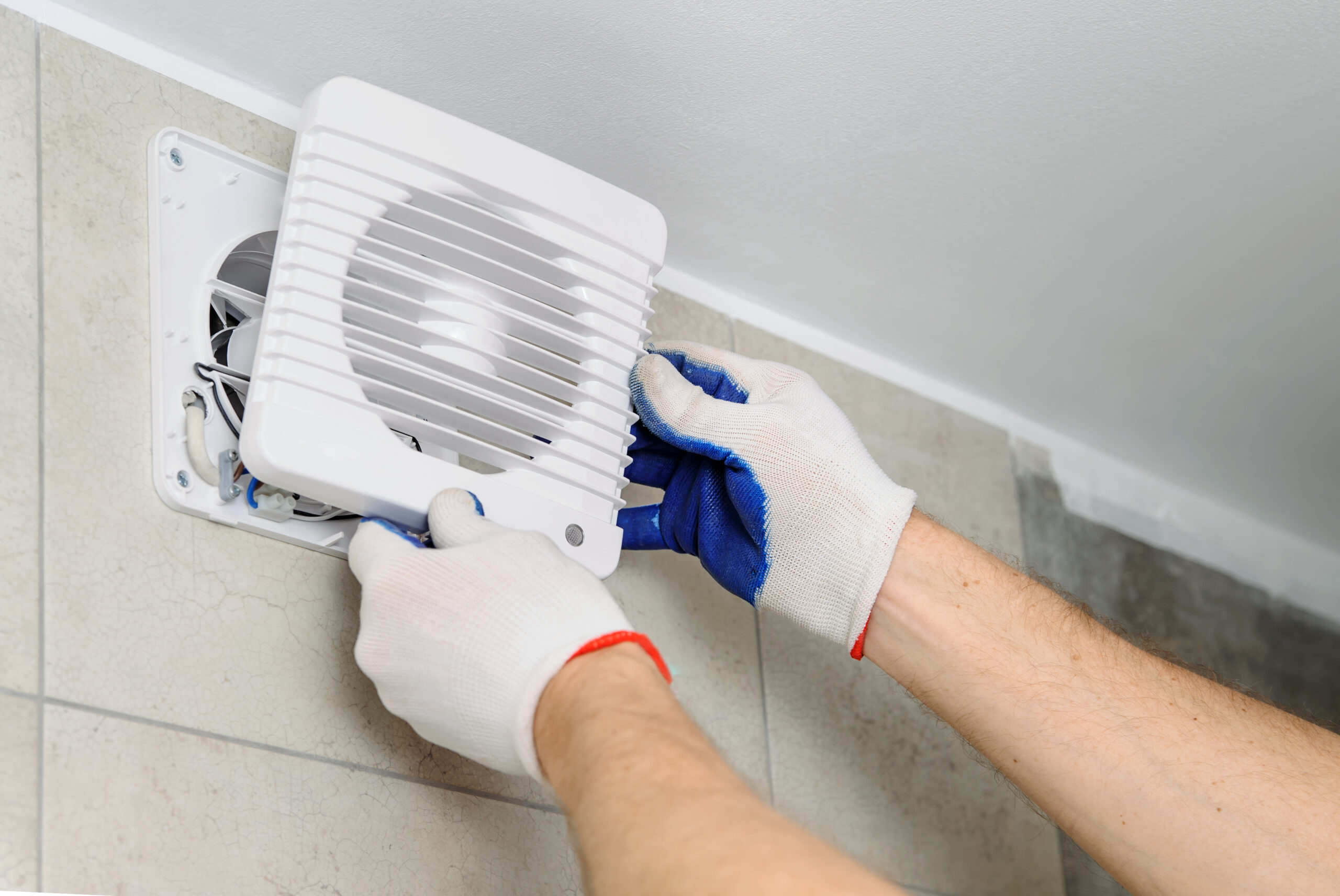
- Upgrading ventilation systems – Fresh air and good ventilation systems will reduce condensation which contributes to damp and mould forming, landlords should be reviewing these systems and assessing whether they are adequate.
- Review reporting systems – Landlords need to ensure tenants have an effective method of reporting issues to them. These need to be consistent and accessible.
- Documentation – Social housing landlords need to keep records to ensure they are accountable, so they need to document all reports of damp and mould issues, take and keep evidence and maintain records of work carried out and communications with tenants.
How social housing landlords can comply with Awaab’s Law in 2026
Preparation is the key to social housing landlords being ready for Awaab’s Law and being able to comply with its requirements. A big part of that is understanding the legislation itself and what it compels a landlord to do. The initial scope of the legislation is focused on damp and mould issues only, but there is still a lot that a landlord has to do. Here are the five critical things that a social housing landlord has to do to comply with Awaab’s Law in 2026:
- Emergency hazards investigations – Landlords have a timeframe of 24 hours to investigate and act upon a reported issue which could potentially be an emergency hazard. This 24-hour period starts from them being made aware of the issue and needs to involve taking the necessary steps to make the tenant safe.
- Significant hazards investigations – Significant hazards are deemed to be those such as persistent damp and mould issues. For these non-emergency hazards landlords have a 10-working day window in which to investigate the problem.
- Written summaries – Landlords must provide the tenant with a written summary of their investigations within three working days.
- Remedial work – If an investigation concludes that a significant hazard exists, the landlord must carry out the necessary safety work within five working days of that conclusion being reached.
- Proactive and preventive steps – Where high-risk properties have been identified (i.e. using the inspection criteria outlined above including older buildings, properties with poor insulation and properties with poor ventilation) landlords must start preventive work within five days to ensure that damp and mould issues don’t occur or re-occur.
Convenient and effective technology to ensure compliance with Awaab’s Law
The Awaab Comply app is an innovative and effective way to ensure compliance with the new requirements of Awaab’s Law. This convenient smartphone app supports the investigations of social housing landlords with the necessary documentation, alerts, evidence-keeping and audit trails to ensure they have all the information they need and have taken all the necessary steps in each case.
Ready to Transform Your
Damp and Mould Compliance?
Book your free demo today and see how Awaab Comply can help your organisation stay compliant with confidence.
or Contact Us