The introduction of Awaab’s Law into UK legislation in October 2025 has significantly changed the landscape for social housing providers and landlords. This major regulatory clampdown was introduced as a result of the tragic case of two-year-old Awaab Ishak, who died in 2020 at his parent’s home in Rochdale after prolonged exposure to damp and mould. The new legislation requires social housing providers and landlords to identify, manage and prevent hazards developing involving damp and mould in social housing, so that tenants are not exposed to living conditions which could impact on their health and safety.
In order to comply with the new legislation, landlords have to react much faster and meet legally binding deadlines. From October 2025 landlords must work to strict timeframes in terms of:
- Investigating emergency hazards reported to them and making them safe within 24 hours.
- Investigating significant hazards reported to them within ten working days, providing a written summary within a further three days and making them safe within a further five days.
- Carrying out work to prevent reoccurrence within five days and completing it within 12 weeks.
- Providing alternative accommodation for tenants where deadlines cannot be met.
- Maintaining clear, accurate and accessible records.
Technology solutions to help with Awaab’s Law compliance
The change in expectations with regards to Awaab’s Law means that landlords have to be reactive and coordinated, and they also need to show evidence of their actions and maintain accurate records. This has led to a number of technology-led solutions to help the landlord ensure compliance. These include solutions for:
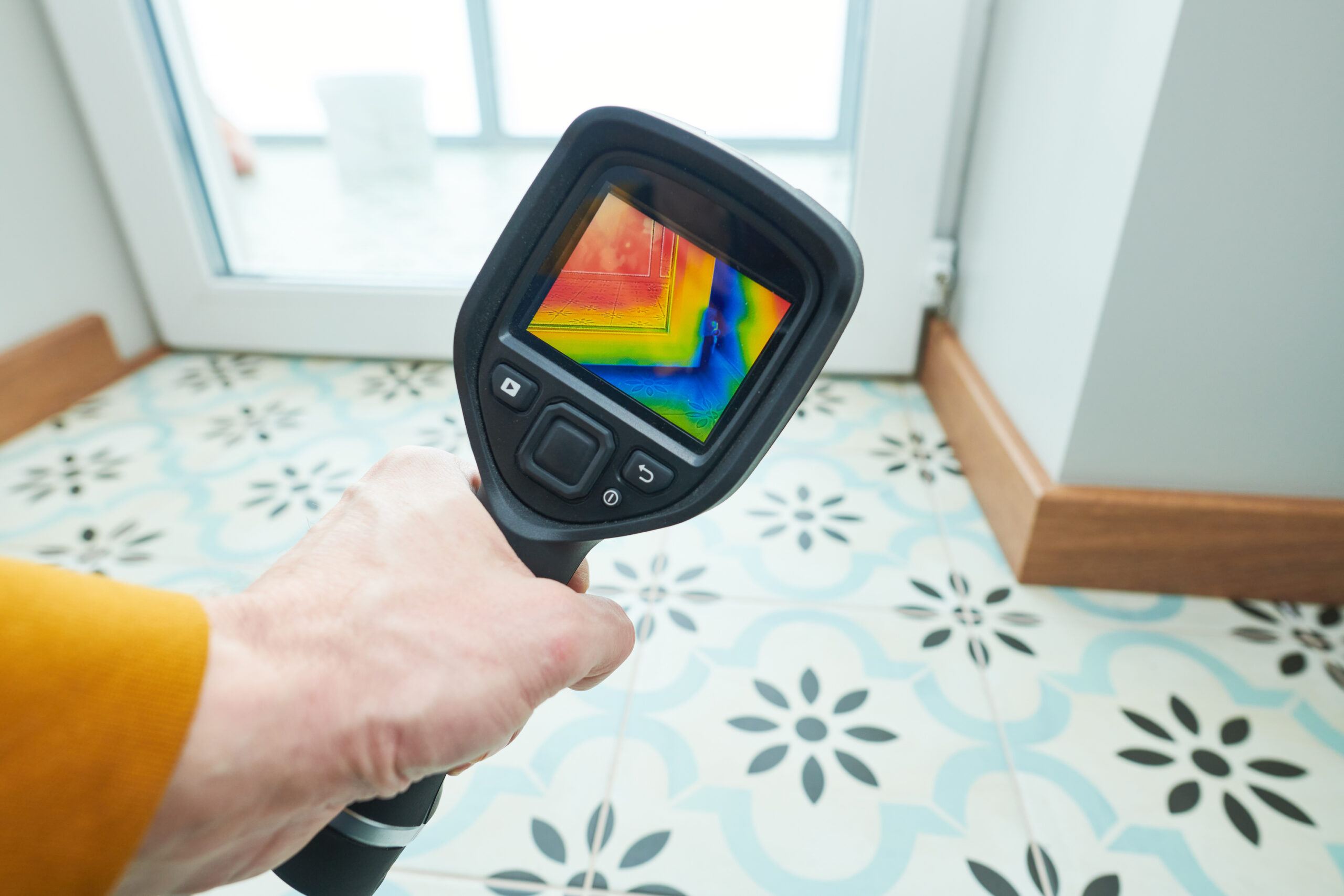
- Sensors for early detection – In terms of preventing damp and mould hazards in the first place, landlords can use digital sensors to monitor humidity, temperature and ventilation within a property, which helps to identify potential issues with damp and mould. These often develop without being visible. This will help the landlord identify issues before they are reported and when they are easier to resolve.
- Predictive analytics – Landlords are required to identify properties most at risk of damp and mould hazards. By inputting building age, materials, environmental data and sensor readings, AI tools can provide predictive readings which help landlords identify potential issues in the future, even if current readings are OK. This demonstrates proactive hazard identification and enables the landlord to allocate budget and resources accordingly.
- Recording reports of hazards – Introducing systems whereby tenants can easily report issues with damp and mould and ensuring this information is sufficient and accurate. This includes online reporting tools, mobile apps and automated phone systems. These systems ensure nothing is missed and landlords can react quickly and armed with the best information.
- Workflow management system – Digital platforms can be used to manage the workflow of each individual case. This enables the landlord to track all actions and communications in one place with a traceable system that can be used as evidence for compliance audits. The landlord can also set reminders and notifications so key actions and deadlines are not missed.
- Evidence capture – Smartphones can be used to capture evidence and to share images between invested parties, often on a remote basis. This helps to identify and investigate issues quickly and to put plans in place to make issues safe. These also provide time-stamped evidence for compliance purposes.
- Scheduling tools – Mobile apps can help to schedule work to ensure it is done within the allowable timeframes. It is easier to schedule and allocate resources and also to link these transactions to ongoing cases in terms of traceability.
Full compliance with the Awaab Comply app
Social housing providers and landlords can ensure their compliance with the new Awaab’s Law regulations by installing the Awaab Comply smartphone app. This brings together many of these technology-led solutions listed above and enables the landlord to maintain centralised records of all reported issues, inspections and to create workflow processes for each individual case. The app enables them to link dates, evidence photos and videos and communications to an individual case, and to set-up notifications to ensure timeframe deadlines are met and this can be evidenced. The Awaab Comply app enables faster response times and transparent record-keeping to demonstrate compliance while also reducing the administrative burden of the new legislation.
By automating workflows and allowing evidence and communications to be linked, the landlord can ensure full compliance. Using the app, the landlord can follow the correct protocols in terms of inspections and can then demonstrate consistency in how each case is dealt with. Furthermore, the landlord has full control over the process and is not dependent on external contractors. Used in line with tools to assist with early detection and predictive analytics, the Awaab Comply mobile app is the ideal digital solution to help landlords comply with Awaab’s Law in 2026.
Ready to Transform Your
Damp and Mould Compliance?
Book your free demo today and see how Awaab Comply can help your organisation stay compliant with confidence.
or Contact Us