

Awaab’s Law has already had a significant impact on the social housing sector, and landlords have learnt that they need to be more proactive in managing housing disrepair issues in their rental properties. Since the regulations were first introduced in October 2025, they have focused only on damp and mould problems, as that was the trigger for the stricter regulations following the tragic story of 2-year-old toddler Awaab Ishak in 2020. However, it was always the case that the scope of Awaab’s Law would be expanded to cover other common housing disrepair concerns at a later date.
It is therefore expected that in October 2026 the regulations will be updated to cover problems such as falls, extreme heat and cold, fire, and electrical faults. These are the next categories of health and safety issues listed on the Housing Health and Safety Rating System (HHSRS) hazards list. Falls are one of the most common causes of accidents in UK homes, accounting for 48% of all accidental fatalities and 59% of all hospital admissions caused by accidents, according to 2026 figures released by RoSPA. It is natural that phase 2 of the Awaab’s Law regulations focuses on other common housing disrepair issues, and preventing falls within the home is an important area which can benefit from the same proactive and preventive approach that has improved management of damp and mould problems.
How phase 2 of Awaab’s Law will impact on landlords
In the same way that landlords are now required to proactively identify damp and mould concerns before they develop into serious problems, as well as reacting within strict timeframes where hazards have been reported, phase 2 of Awaab’s Law applies this same way of thinking to other housing disrepair issues. These include falls in the home, which are also categorised as falls involving stairs, falls in the bath, falls on level surfaces and falls between different levels.
When phase 2 of Awaab’s Law is introduced into UK law, landlords will be required to carry out proactive property audits to identify potential defects which could lead to falls, and to have a co-ordinated team of contractors available to quickly respond to findings and to resolve them before they cause an accident. Phase 3 will apply the same approach to all other items on the HHSRS list in 2027.
Common fall hazards in domestic properties
With a new focus on proactively identifying fall hazards, landlords need to regularly inspect their properties for potential issues, bearing in mind that most are caused by general wear and tear, but could also be through misuse or the behaviour of the tenant. Looking at each fall category individually, common problems which could lead to fall hazards in a property include:
- Stairs – Loose flooring, worn stair nosings, loose or broken handrails, a steep stair pitch, uneven risers, loose tread boards, inadequate lighting.
- Baths – Slippery surfaces (bath and floor), loose or broken handrails, awkward layout.
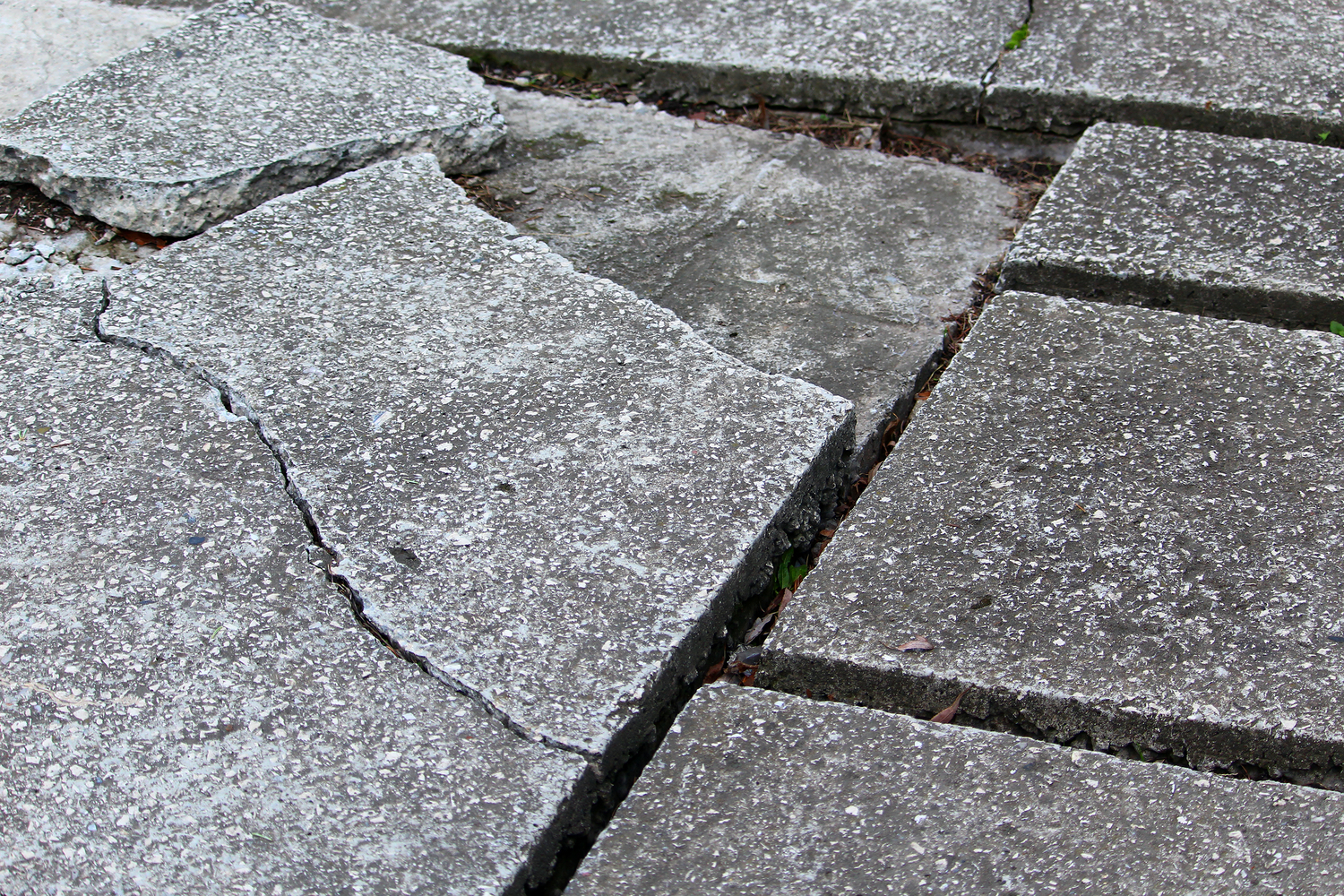
- Level surfaces – Loose flooring, damaged floorboards, trip hazards (toys, rugs, storage etc), uneven paving slabs externally, ice, water or overgrown shrubbery externally, inadequate lighting.
- Between levels – Unstable or broken bannisters or handrails, low windowsills, open loft hatches, inadequate lighting.
How to identify fall risks earlier
The overriding aim of Awaab’s Law is to identify potential issues and resolve them before an incident occurs or it becomes a hazard. This applies to all the categories under the scope, including all those in phase 2 of the regulations. With regards to identifying fall risks, therefore, a landlord or social housing provider should:
- New tenancy checklist – Before each new tenancy a landlord will inspect and record the condition of the property. This covers them for any subsequent damage or wear and tear caused by the new tenant. Now this audit should include specific checks for fall risks, bearing in mind the hazards outlined above. A landlord may choose to carry out such an inspection mid-tenancy and at more regular intervals also.
- Individual tenancies – Landlords need to be vigilant to who their tenants are and should avoid taking a blanket approach to property inspections. For example, a new tenant may have mobility issues or health conditions, they may be elderly or have young children, or they may be pregnant. This enhances the risk of falls in some cases and therefore means the landlord needs to take extra precautions. Effectively, they need to adapt their thinking according to who the individual tenant is, and avoid taking a general view of the property.
- Reactive maintenance – Any defects found, however minor, should be dealt with and resolved quickly, not just to comply with Awaab’s Law, but also to prevent problems becoming bigger and more costly. It should be noted, however, that the aim of audits and checklists is to assist the move from reactive to proactive maintenance.
- Tenant responsibility – A landlord needs to develop an understanding with the tenant that they report any small problems which could lead to a fall risk, and the landlord should therefore be reactive to these reports, in order to be fully compliant with Awaab’s Law.
- Contractors – The landlord should ask contractors to report minor issues they have noticed during routine visits.
- Professional scheduling and reporting – Landlords can adopt the use of a smartphone app to help with inspection scheduling and hazard reporting. This provides a professional approach which unifies how audits and inspections are carried out and how hazards are dealt with. This also creates an audit trail which helps provide documented evidence by way of compliance with the Awaab’s Law regulations.
Supporting you with phase 2 Awaab’s Law compliance
As the scope of Awaab’s Law continues to broaden, Awaab Comply is there to provide comprehensive support, helping landlords and housing providers remain compliant with evolving regulations while creating safer homes for their tenants. From proactive inspections and repair management to audit trails and reporting, our platform is designed to simplify compliance every step of the way.
You can book a free demo of our Awaab’s Law smartphone app, which helps you take a professional approach to property inspections, repairs and reports, and supports you in ensuring full Awaab’s Law compliance.
Ready to Transform Your
Damp and Mould Compliance?
Book your free demo today and see how Awaab Comply can help your organisation stay compliant with confidence.
or Contact Us