Fall Hazards and Awaab’s Law Phase 2 | Awaab Comply
Phase 1 has applied to social housing in England since 27 October 2025. It covers all emergency hazards and damp and mould hazards that present a significant risk of harm. The requirements are triggered by the landlord becoming aware of a potential hazard, including through an inspection or a third party, rather than only by a formal tenant complaint.
Phase 2 comes into force on 30 November 2026. It extends the significant-hazard requirements to further hazards; it does not introduce emergency-hazard duties for the first time. Landlords must continue to meet their existing safety and repairing obligations before that date.
Falls deserve careful attention because defects in stairs, guarding, floors and external paths can create serious risks. A good investigation records the defect, who is exposed, the likely consequences and the action needed.
How phase 2 of Awaab’s Law will impact on landlords
From 30 November 2026, a potential significant falls hazard will need to be investigated within the expanded framework. An emergency falls hazard already requires an urgent response under Phase 1. The assessment should take account of the actual household and the landlord’s responsibility for the defect.
Routine inspections and targeted checks are useful prevention measures. They should support a clear response when a hazard becomes known; this is different from claiming that Awaab’s Law itself prescribes the same periodic audit for every home.
Common fall hazards in domestic properties
Inspectors should look for building defects and record the surrounding circumstances without assuming that a tenant’s behaviour caused the problem. Examples to consider include:
Stairs – Loose flooring, worn stair nosings, loose or broken handrails, a steep stair pitch, uneven risers, loose tread boards, inadequate lighting.
Baths – Slippery surfaces (bath and floor), loose or broken handrails, awkward layout.
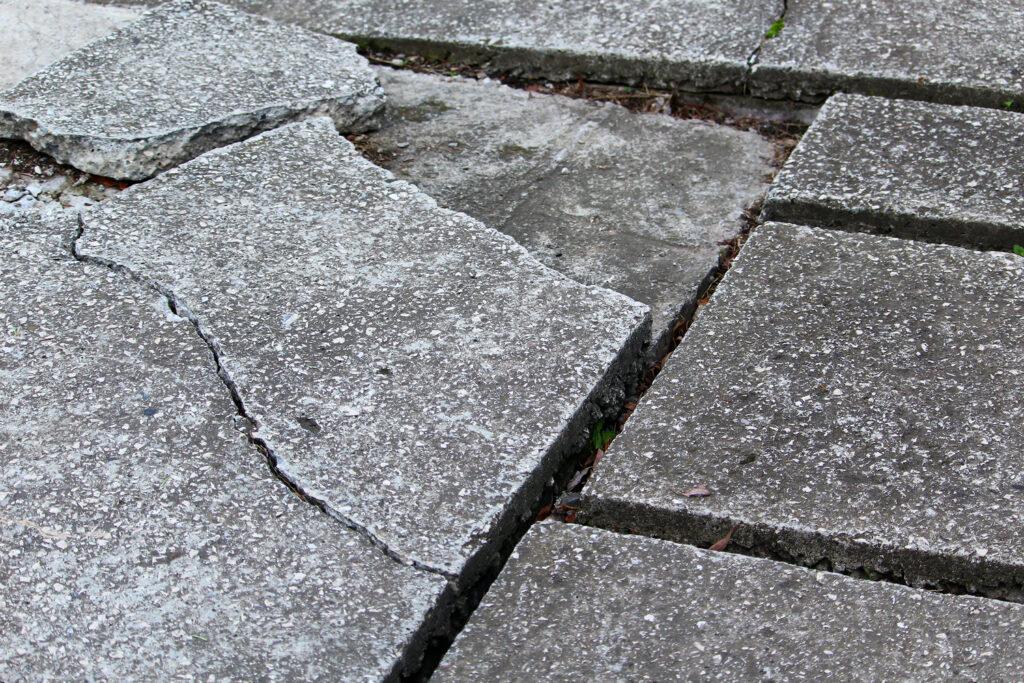
Level surfaces – Loose flooring, damaged floorboards, trip hazards (toys, rugs, storage etc), uneven paving slabs externally, ice, water or overgrown shrubbery externally, inadequate lighting.
Between levels – Unstable or broken bannisters or handrails, low windowsills, open loft hatches, inadequate lighting.
How to identify fall risks earlier
Practical checks can help identify fall risks before harm occurs. Match the inspection and any specialist input to the property, the people using it and the concerns reported.
Before a tenancy or during a planned visit: check stairs, guarding, floors, paths and lighting.
Household circumstances: record relevant mobility needs, children and other factors that affect exposure to harm.
Defects: photograph their location and extent and explain any limits to the inspection.
Escalation: pass potential emergency hazards to the responsible team immediately.
Follow-through: record who will arrange work and how completion will be checked.
From on-site evidence to a report in minutes
Awaab Comply helps inspectors capture findings, measurements and photographs on a phone or tablet during a visit, then generate a downloadable report in minutes. The inspector should review the report promptly. This supports evidence gathering and reduces time spent writing up afterwards; the landlord remains responsible for triage, competent assessment, tenant communication, safety work and meeting the applicable deadlines.
Book a free Awaab Comply demo ↗ or contact our team.
Guidance and review date
Regulatory wording checked on 26 October 2026 against GOV.UK’s Phase 2 guidance for social landlords. Read the guidance alongside the regulations when deciding how the requirements apply to a case.