5 Awaab’s Law Priorities for 2026 | Awaab Comply
Phase 1 has applied to social housing in England since 27 October 2025. It covers all emergency hazards and damp and mould hazards that present a significant risk of harm. The requirements are triggered by the landlord becoming aware of a potential hazard, including through an inspection or a third party, rather than only by a formal tenant complaint.
Phase 2 comes into force on 30 November 2026. It extends the significant-hazard requirements to further hazards; it does not introduce emergency-hazard duties for the first time. Landlords must continue to meet their existing safety and repairing obligations before that date.
What Awaab’s Law covers
Phase 2 will extend the significant-hazard requirements to the following hazards from 30 November 2026:
Excess cold and excess heat
Falls, including falls on stairs, on level surfaces, between levels and associated with baths
Structural collapse
Fire and explosions
Electrical hazards
Domestic hygiene, including personal hygiene and food safety
This Phase 2 change concerns social housing in England. Extending Awaab’s Law to private rented tenancies is a separate process. As at 26 October 2026, the government is consulting on how and when that extension should apply; the consultation closes on 18 December 2026. Do not assume that the social-housing Phase 2 date applies to private tenancies.
How social housing landlords should deal with the implementation of Awaab’s Law
Awaab’s Law is already in force and social housing landlords should be taking steps to ensure properties under their responsibility comply with this legislation. Important steps they should be considering right now include:
Education – Social housing landlords and providers need to ensure their staff are fully trained in what Awaab’s Law is, what risks they need to look out for and how to classify what is an ‘emergency’ issue and what is a ‘significant’ issue.
Identify properties which may have damp and mould issues – Damp and mould is more likely to occur in older buildings, properties with poor insulation and properties with poor ventilation. Landlords should be carrying out inspections and audits to identify potential issues.
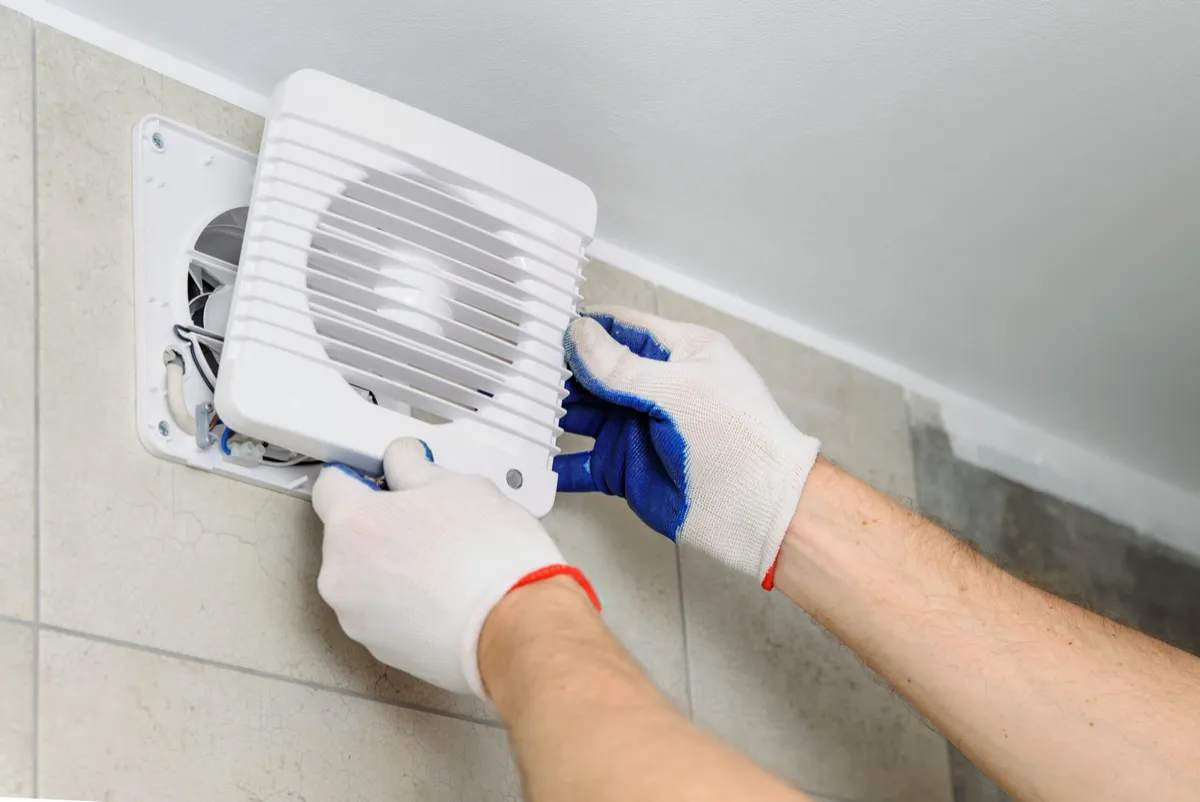
Upgrading ventilation systems – Fresh air and good ventilation systems will reduce condensation which contributes to damp and mould forming, landlords should be reviewing these systems and assessing whether they are adequate.
Review reporting systems – Landlords need to ensure tenants have an effective method of reporting issues to them. These need to be consistent and accessible.
Documentation – Social housing landlords need to keep records to ensure they are accountable, so they need to document all reports of damp and mould issues, take and keep evidence and maintain records of work carried out and communications with tenants.
How social housing landlords can comply with Awaab’s Law in 2026
Use these five priorities to review the whole response. The first phase already applies; prepare the same clear ownership and evidence process for the expanded significant-hazard scope.
Triage and investigate: recognise the difference between potential emergency and significant hazards. Emergency investigation and relevant safety work must both be completed within 24 hours; potential significant hazards in scope require investigation within 10 working days.
Explain findings: provide the written summary within 3 working days of the investigation concluding.
Make safe: complete relevant safety work within 5 working days after a significant hazard is identified through the investigation, or secure suitable alternative accommodation where the deadline cannot be met.
Prevent recurrence: begin, or take steps to begin, supplementary preventative work within 5 working days. Where a later start is unavoidable, start as soon as reasonably practicable and within 12 weeks, then complete within a reasonable period.
Prepare for Phase 2: check staff competence, escalation routes, resident communications and evidence processes for the wider hazards ahead of 30 November 2026.
Supporting evidence and reporting
From on-site evidence to a report in minutes
Awaab Comply helps inspectors capture findings, measurements and photographs on a phone or tablet during a visit, then generate a downloadable report in minutes. The inspector should review the report promptly. This supports evidence gathering and reduces time spent writing up afterwards; the landlord remains responsible for triage, competent assessment, tenant communication, safety work and meeting the applicable deadlines.
Book a free Awaab Comply demo ↗ or contact our team.
Guidance and review date
Regulatory wording checked on 26 October 2026 against GOV.UK’s Phase 2 guidance for social landlords. Read the guidance alongside the regulations when deciding how the requirements apply to a case.