Technology for Awaab’s Law Investigations | Awaab Comply
Phase 1 has applied to social housing in England since 27 October 2025. It covers all emergency hazards and damp and mould hazards that present a significant risk of harm. The requirements are triggered by the landlord becoming aware of a potential hazard, including through an inspection or a third party, rather than only by a formal tenant complaint.
Phase 2 comes into force on 30 November 2026. It extends the significant-hazard requirements to further hazards; it does not introduce emergency-hazard duties for the first time. Landlords must continue to meet their existing safety and repairing obligations before that date.
Technology is useful when it supports a competent response to the right deadline. It does not change the landlord’s responsibilities.
Emergency hazards: investigate and, where an emergency hazard is confirmed, complete relevant safety work as soon as reasonably practicable and within 24 hours of becoming aware.
Potential significant hazards in scope: investigate within 10 working days of becoming aware.
Written findings: give the tenant a written summary within 3 working days of the investigation concluding.
Significant hazards identified: complete relevant safety work within 5 working days of the investigation concluding.
Further prevention: begin, or take steps to begin, supplementary preventative work within 5 working days. If it cannot start then, it must start as soon as reasonably practicable and within 12 weeks, and be completed within a reasonable period. The 12 weeks is not a deadline for completing every repair.
If safety work cannot meet the deadline: secure suitable alternative accommodation at the landlord’s expense and keep the household informed.
Technology solutions to help with Awaab’s Law compliance
The change in expectations with regards to Awaab’s Law means that landlords have to be reactive and coordinated, and they also need to show evidence of their actions and maintain accurate records. This has led to a number of technology-led solutions to help the landlord ensure compliance. These include solutions for:
Environmental monitoring: sensors can highlight patterns requiring investigation; a reading alone does not establish the legal hazard category.
Stock and risk information: reliable property history and relevant household circumstances help target enquiries.
Reporting channels: accessible ways for residents and staff to raise concerns help establish awareness and responsibility.
Case management: the landlord’s wider systems can record ownership, communications, work orders and follow-up.
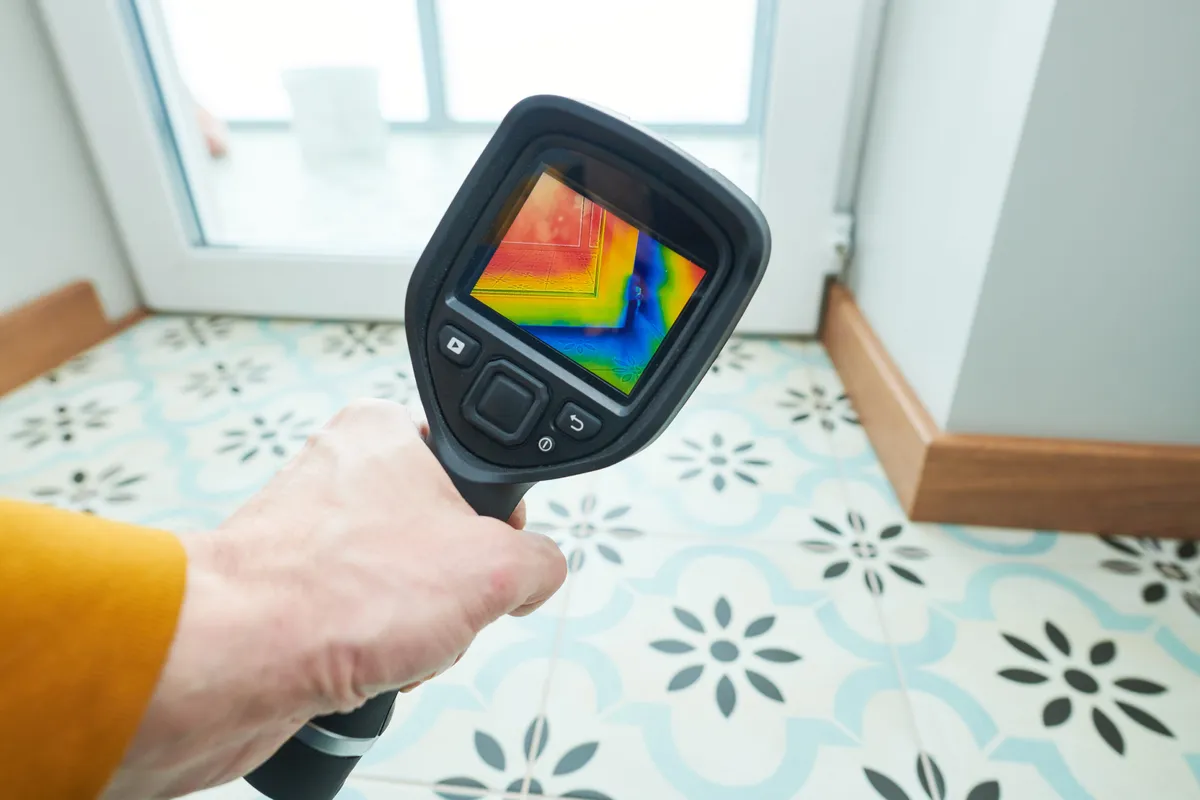
Inspection evidence: photographs, readings and clear observations support assessment and reporting.
Scheduling: appointment and resource planning should support the applicable response deadline.
Where Awaab Comply fits
Awaab Comply focuses on on-site investigation and rapid report generation. It should sit within a wider process that covers resident contact, triage, work orders, repairs and follow-up. Do not assume that an inspection app replaces those functions or automatically fulfils the landlord’s duties.
From on-site evidence to a report in minutes
Awaab Comply helps inspectors capture findings, measurements and photographs on a phone or tablet during a visit, then generate a downloadable report in minutes. The inspector should review the report promptly. This supports evidence gathering and reduces time spent writing up afterwards; the landlord remains responsible for triage, competent assessment, tenant communication, safety work and meeting the applicable deadlines.
Book a free Awaab Comply demo ↗ or contact our team.
Guidance and review date
Regulatory wording checked on 26 October 2026 against GOV.UK’s Phase 2 guidance for social landlords. Read the guidance alongside the regulations when deciding how the requirements apply to a case.