Awaab’s Law: Beyond Completing Repairs | Awaab Comply
Awaab’s Law is the result of a concerted effort to address the failings which led to the death of two-year-old Awaab Ishak in 2020. The Rochdale toddler suffered prolonged exposure to damp and mould at his parent’s flat, and the disrepair issue wasn’t properly resolved by the landlord.
While this high profile case served as the landmark to trigger a significant shift in a landlord’s legislative responsibilities, it is only one of many similar cases of neglect and failure of duty on behalf of landlords. Furthermore, while the landlord not repairing the damp and mould issue was what led to the child’s death, there was an extensive list of systematic failings which led up to, and therefore also contributed to, this tragic event.
Social landlords in England need to understand both the response deadlines and the information that must accompany their decisions. Faster repairs matter, but a safe outcome also depends on investigation, communication and follow-up.
Operational changes introduced by the Awaab’s Law regulations
Phase 1 has applied to social housing in England since 27 October 2025. It covers all emergency hazards and damp and mould hazards that present a significant risk of harm. The requirements are triggered by the landlord becoming aware of a potential hazard, including through an inspection or a third party, rather than only by a formal tenant complaint.
Emergency hazards: investigate and, where an emergency hazard is confirmed, complete relevant safety work as soon as reasonably practicable and within 24 hours of becoming aware.
Potential significant hazards in scope: investigate within 10 working days of becoming aware.
Written findings: give the tenant a written summary within 3 working days of the investigation concluding.
Significant hazards identified: complete relevant safety work within 5 working days of the investigation concluding.
Further prevention: begin, or take steps to begin, supplementary preventative work within 5 working days. If it cannot start then, it must start as soon as reasonably practicable and within 12 weeks, and be completed within a reasonable period. The 12 weeks is not a deadline for completing every repair.
If safety work cannot meet the deadline: secure suitable alternative accommodation at the landlord’s expense and keep the household informed.
Beyond simply completing repairs within stricter timeframes, landlords are now required to:
Produce documentation
The written summary is due within 3 working days of the investigation concluding. It should explain the findings and the action taken or planned, in a form the tenant can understand.
The summary records the investigation outcome. Producing it does not, on its own, demonstrate that all safety work or wider legal obligations have been completed.
Communicate
A landlord has to properly communicate with a tenant to ensure they are fully aware of the processes involved in a disrepair. This includes what the status of the damp and mould issue is (emergency or non-emergency), what alternative accommodation requirements are, what the findings of an investigation are and when repairs will be carried out. This should also include informing tenants when there are any delays in this process.
Introduce dedicated risk management
Assess the risk to the actual household, including relevant age, mobility, health and disability information. Record how those circumstances influenced urgency and the proposed response, while handling personal information appropriately.
Offer alternative accommodation
A landlord has to make arrangements to temporarily re-house tenants if they can’t carry out repairs to make a property safe within the specified timeframes. This accommodation has to be appropriate and suitable and must be at the landlord’s expense.
Identify the root cause of a damp and mould issue
Making a ‘quick fix’ repair or a repair that results in the same issue reoccurring is not suitable compliance. The investigation that is carried out into a damp and mould issue in a property needs to be thorough and professional, and needs to identify the root cause of the problem. This is a robust process that aims to prevent cheap and short-term repairs which don’t address underlying problems.
Most damp and mould problems create multiple related issues, such as the health impacts of damp and mould itself, but also other possible consequences such as structural plasterwork, saturated brickwork, rotting wood joists, leaking pipes, faulty electrics, damaged exterior walls and damaged guttering or roof structures. One of these is likely to be the root cause of the issue, and it has had a compounding effect to cause multiple others, so repairing one of these in isolation is not effectively resolving the issue.
Therefore, compliance is about thoroughly investigating a problem so that repairs resolve the root cause of the issue and prevent it reoccurring.
Proactively manage their properties
Planned inspections and use of stock-condition information can support early intervention. These are practical management measures; Awaab’s Law’s specific response clocks are triggered by awareness of a potential hazard rather than a universal periodic-inspection timetable.
Looking beyond damp and mould
Phase 2 comes into force on 30 November 2026. It extends the significant-hazard requirements to further hazards; it does not introduce emergency-hazard duties for the first time. Landlords must continue to meet their existing safety and repairing obligations before that date.
The direction of travel is clear. Landlords are increasingly expected to demonstrate not only that repairs have been completed, but also that issues have been identified, investigated, risk assessed, communicated and resolved within prescribed timescales. Documentation, audit trails and proactive property management are becoming just as important as the repairs themselves.
From on-site evidence to a report in minutes
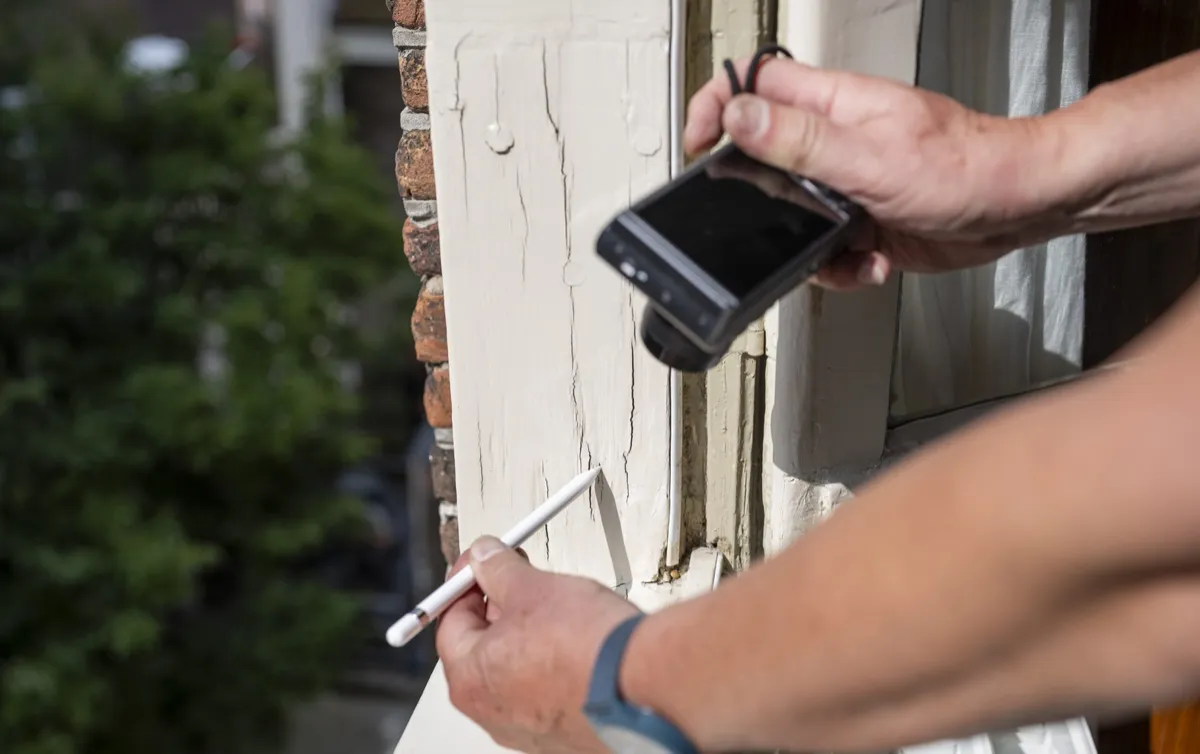
Awaab Comply helps inspectors capture findings, measurements and photographs on a phone or tablet during a visit, then generate a downloadable report in minutes. The inspector should review the report promptly. This supports evidence gathering and reduces time spent writing up afterwards; the landlord remains responsible for triage, competent assessment, tenant communication, safety work and meeting the applicable deadlines.
Book a free Awaab Comply demo ↗ or contact our team.
Guidance and review date
Regulatory wording checked on 26 October 2026 against GOV.UK’s Phase 2 guidance for social landlords. Read the guidance alongside the regulations when deciding how the requirements apply to a case.